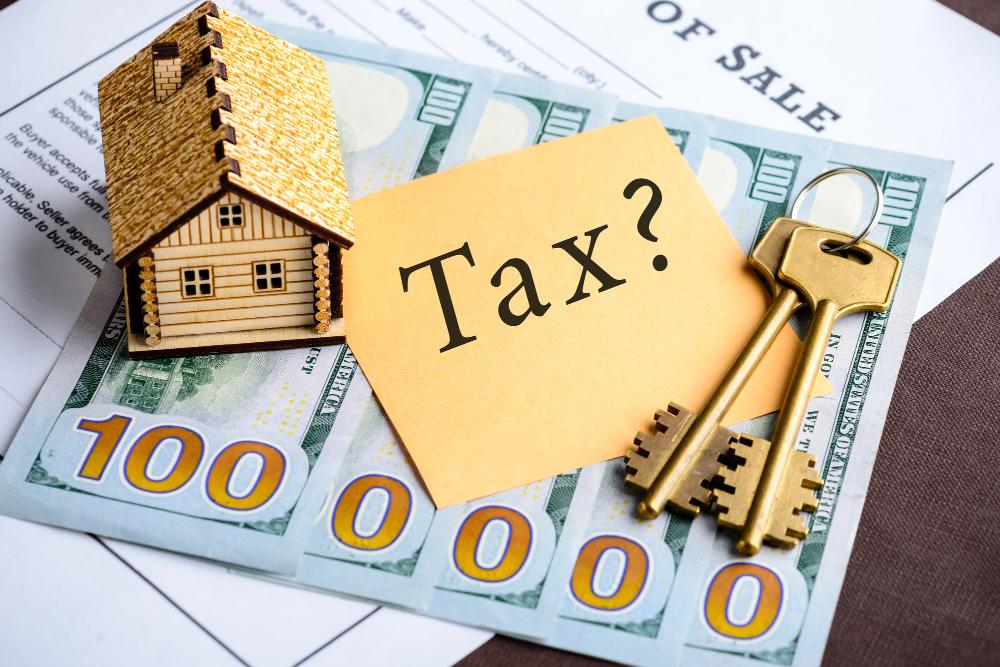
New Jersey homeowners share one big concern. They all want to know the same thing: Will NJ property taxes go down?
High property taxes affect home values, monthly budgets, and long-term financial planning. Understanding the real answer requires a close look at how taxes work and what forces push them up or down.
Property taxes in New Jersey have stayed among the highest in the nation for many years. Families moving into the state feel the impact right away. Longtime residents feel it even more as bills rise over time. The system behind these taxes can seem confusing, yet the reasons for increases often follow clear patterns.
This article breaks down those patterns. It reviews state data, explains how local decisions shape tax bills, and explores trends that may affect future changes.
Why NJ Property Taxes Stay So High
Property taxes in New Jersey fund many essential local services. Schools, police departments, fire protection, road maintenance, and public programs all rely on this revenue. New Jersey depends heavily on local property taxes to support public education, more so than many other states. That reliance drives a significant portion of the total tax burden.
Each municipality sets its tax rate based on its yearly budget. Higher spending often leads to higher taxes. Growing towns need additional services. Established towns must maintain aging infrastructure. Both situations place pressure on local finances.
State aid also affects local taxes. When state funding for schools or municipalities declines, towns frequently compensate through higher property taxes. Homeowners experience the impact directly on their annual statements.
How Property Taxes Are Calculated
Property tax bills are based on two main elements: the assessed value of a home and the combined tax rate set by the town, county, and school district.
When property values rise across a municipality, individual tax bills can still increase even if the official rate does not change. Reassessments often shift how the overall tax burden is distributed, leading some homeowners to see lower bills while others pay more.
Local budgets also fluctuate from year to year. New school initiatives, infrastructure projects, or public safety costs can raise the amount each household pays. These changes are determined at the municipal level rather than by the state.
What State Data Shows About Long-Term Trends
Statewide data points to a long-term rise in property taxes over the past twenty years, with the average New Jersey tax bill increasing in nearly every year. Even during periods of economic slowdown, meaningful declines have been rare, as local governments continue to rely on this revenue to meet ongoing obligations.
A major driver of this trend is the rising cost of operating municipalities. Expenses tied to public employee salaries, pensions, and healthcare steadily increase, while construction, repairs, and general maintenance grow more costly over time. Inflation adds pressure across nearly every category of a local budget.
State relief programs have provided assistance to some homeowners, but these measures typically ease short-term strain rather than change the structure of the tax system. As a result, many households experience temporary relief without seeing lasting reductions in their annual bills.
Local Trends That Influence Your Tax Bill
Local market conditions also play an important role in shaping property taxes. Rising home values often lead to higher assessments and increased revenue from new buyers, which can support expanded municipal budgets. In some cases, this additional revenue encourages higher spending, contributing to further tax increases.
Population shifts affect tax levels as well. Communities experiencing growth must expand schools, transportation, and public services, while towns with declining populations still need to maintain essential infrastructure with a smaller pool of taxpayers.
Tax burdens also vary by region. Suburban areas known for strong school systems often carry higher tax rates, while urban municipalities may rely more heavily on commercial properties to balance costs. Rural towns face different challenges, as smaller tax bases can make it harder to cover necessary expenses.
Can State Reform Lower Taxes?
Over the years, state leaders have introduced various proposals to reduce New Jersey’s reliance on property taxes. Some plans focus on shifting a greater share of costs to income or sales taxes, while others emphasize consolidating local services or revising school funding formulas to ease pressure on homeowners.
Meaningful reform, however, requires major structural change. Small adjustments rarely lead to noticeable reductions, and political as well as practical challenges make large-scale reforms difficult to implement. Even when new programs move forward, the impact often takes years to become visible.
Homeowners continue to hope for relief, but lasting reductions depend on cooperation among state officials, local governments, and voters. Without that shared effort, property taxes tend to follow the same established pattern.
What Homeowners Can Do Today
Although statewide change moves slowly, individual homeowners still have practical steps they can take. Reviewing your property assessment is an important starting point, especially if it appears higher than comparable homes in your area. In some cases, an appeal can result in meaningful savings.
Staying informed about local budgets also makes a difference. Decisions made at town meetings and school board sessions directly influence tax bills, and residents who participate gain greater insight into how public funds are allocated.
Energy-efficient upgrades and smart home improvements can help offset other housing expenses, even when taxes remain high. Planning for gradual annual increases allows households to manage costs with fewer surprises.
The Role Of Real Estate In Tax Planning
At NJLux Real Estate, we guide buyers and sellers through the financial side of homeownership every day. Taxes play a large role in choosing the right town and property. Two homes with similar prices can carry very different annual tax bills.
Buyers who understand local tax patterns make stronger long-term decisions. Sellers who know how taxes affect demand can position their homes more effectively in the market. Real estate choices and tax costs connect closely in New Jersey.
So, Will NJ Property Taxes Go Down?
The honest answer remains complicated. Large statewide decreases appear unlikely in the near future. The structure of local funding and education costs makes deep cuts difficult to achieve.
Small improvements may happen through targeted relief programs or local efficiency efforts. Individual towns sometimes manage to hold the line on spending. Those successes can lead to slower growth in tax bills.
Yet a broad, lasting drop across the state would require major reform and new funding sources. For now, most signs point toward continued upward pressure rather than dramatic reductions.
Looking Ahead With Clear Expectations
Homeowners benefit from realistic expectations. Planning for gradual increases rather than hoping for sharp declines helps families stay financially prepared. Paying attention to local trends offers the best clues about what may happen next in your own community.
Knowledge remains the most powerful tool for New Jersey homeowners. Understanding how taxes work, why they rise, and what options exist puts you in a stronger position.
At NJLux Real Estate, we work closely with clients across New Jersey to help them navigate the full picture of homeownership. Property taxes form a major part of that picture. Our team studies local markets, town budgets, and neighborhood trends every day.
If you plan to buy, sell, or simply want to understand how taxes affect your home value, we welcome the chance to help you make informed decisions for your future.