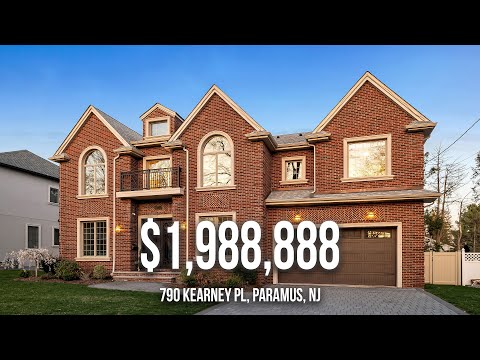

Homeowners often question the relationship between property taxes and real estate prices. A common question is, are property taxes based on the value of your home?
The simple answer is yes, although the full explanation involves several additional factors. Knowing how property taxes are calculated helps buyers and sellers plan more effectively and avoid surprises.
Property taxes play a significant role in the true cost of homeownership. They influence monthly budgets, long-term affordability, and future resale decisions. Despite their importance, the system behind property taxes can feel complex. This guide explains how home values and tax bills connect, and why the numbers may change over time.
The Basics Of Property Taxes
Property taxes support essential local services. These funds help pay for schools, police and fire departments, road maintenance, parks, and other community resources. Local governments depend on property taxes to maintain daily operations and long-term infrastructure.
Tax bills follow a structured formula rather than arbitrary decisions. Two primary components determine what a homeowner pays. One is the assessed value of the property. The other is the local tax rate applied to that value. Together, these elements determine the annual tax amount.
The assessed value represents an official estimate of a home’s worth for tax purposes. County or municipal assessors analyze recent sales, property characteristics, and market trends to establish this figure. Local governments then apply a tax rate based on budget needs, which produces the final bill.
Assessed Value Versus Market Value
Many homeowners assume assessed value and market value mean the same thing, but they serve different purposes. Market value represents what a buyer is likely to pay for a home under current real estate conditions, while assessed value is calculated specifically for property tax purposes.
In some areas, assessed values closely follow market prices. In others, assessments reflect only a percentage of market value. Each town or county sets its own rules, methods, and timelines for updating these figures.
These differences help explain why similar homes can have different tax bills. A property that has not been reassessed in several years may carry an official value that trails current market trends. Although the system is designed to promote fairness, timing and local policies can still lead to noticeable variations.
Why Taxes Can Rise Even Without Improvements
Many homeowners are caught off guard when their property taxes increase, especially if they have not added a room or completed major upgrades. Even without visible changes to a home, tax bills can still rise for several reasons.
One common factor is overall market appreciation. When home values increase across a neighborhood, assessors often raise assessed values to reflect those trends. Changes in local budgets can also play a role.
If a town requires additional funding for schools, infrastructure, or public services, higher tax rates may follow. Periodic reassessment cycles contribute as well. Many municipalities review property values every few years, and a new assessment can bring values in line with current market conditions.
Do Higher Home Values Always Mean Higher Taxes?
Rising home prices do not automatically translate into higher tax bills for every homeowner. Local governments look at the total value of all properties when setting tax rates. When values increase across an entire town, officials may lower the rate to offset the growth.
For instance, if property values rise evenly throughout a community, the same level of public funding can be achieved with a lower tax rate. In that scenario, individual tax bills may remain close to previous levels. Local policies and budget priorities still matter, which is why the link between home value and taxes exists but is not always direct.
Improvements And Their Impact On Taxes
Home improvements tend to influence property taxes more directly. Projects such as adding a bedroom, finishing a basement, or building an addition increase a home’s overall value, and assessors typically account for those changes during the next valuation.
Smaller cosmetic updates, like fresh paint or routine repairs, usually have little effect on assessed value. Larger structural improvements carry more weight. Homeowners planning renovations should keep this potential tax impact in mind when setting long-term budgets.
Location Matters More Than Many Realize
Property tax systems differ widely from one state to another and often vary between counties or even neighboring towns. Two homes with the same market price can carry very different tax bills simply because of where they are located.
Some states place limits on how much taxes can rise each year, while others permit more frequent reassessments. School district funding requirements also influence how much revenue a town must collect. These factors combine to make location one of the strongest influences on what a homeowner pays annually.
Appealing An Assessment
Homeowners have the right to challenge an assessment they believe is too high. Most municipalities allow owners to file an appeal and present evidence that the assessed value does not accurately reflect the home’s condition or its position in the local market.
Useful support may include recent comparable sales, appraisal reports, or corrections to errors in property records. Results vary, but many homeowners see lower tax bills after a successful review. Paying attention to appeal deadlines and local procedures is essential, since each jurisdiction follows its own rules.
Planning Ahead As A Buyer Or Seller
Property taxes deserve careful consideration in any real estate transaction. Buyers benefit from looking beyond the listing price and factoring in expected annual tax costs. Sellers also need a clear understanding of how their property is assessed to prevent surprises during negotiations.
A home with low current taxes may not remain that way after it changes hands. Some towns reassess properties at or near the purchase price, which can lead to higher bills for new owners. Buyers who plan ahead reduce the risk of sudden increases in monthly
Experienced real estate professionals can help estimate future tax costs before a deal is finalized. Clear insight into these details supports better decisions on both sides of a transaction.
How We Guide Clients Through Tax Questions
At NJLux Real Estate, we work with buyers and sellers throughout many New Jersey communities, each with its own tax history and assessment practices. As part of the home search process, we help clients review these local details so they can better understand how taxes fit into the overall cost of ownership.
Our team explains how tax levels differ from one neighborhood to another and how reassessment schedules may affect affordability over time. When homeowners understand how these factors interact, they feel more confident and prepared to make informed decisions.
Bringing It All Together
The question, “Are property taxes based on the value of your home?” comes up often because the system involves several connected elements. Home value plays a major role, but it works alongside local tax rates, reassessment timelines, and municipal budgets to determine the final amount owed.
Seeing how these pieces work together gives homeowners a greater sense of control. Property taxes may never feel simple, yet they become easier to manage when viewed with the right context.
A Final Word From NJLux Real Estate
Buying or selling a home requires attention to more than just price and location. Long-term expenses such as property taxes deserve careful consideration as well.
At NJLux Real Estate, we focus on helping clients understand the full financial picture before taking the next step. If you are planning to buy a house or explore your options in the New Jersey market, our team is ready to share local insight and practical guidance tailored to your goals.